
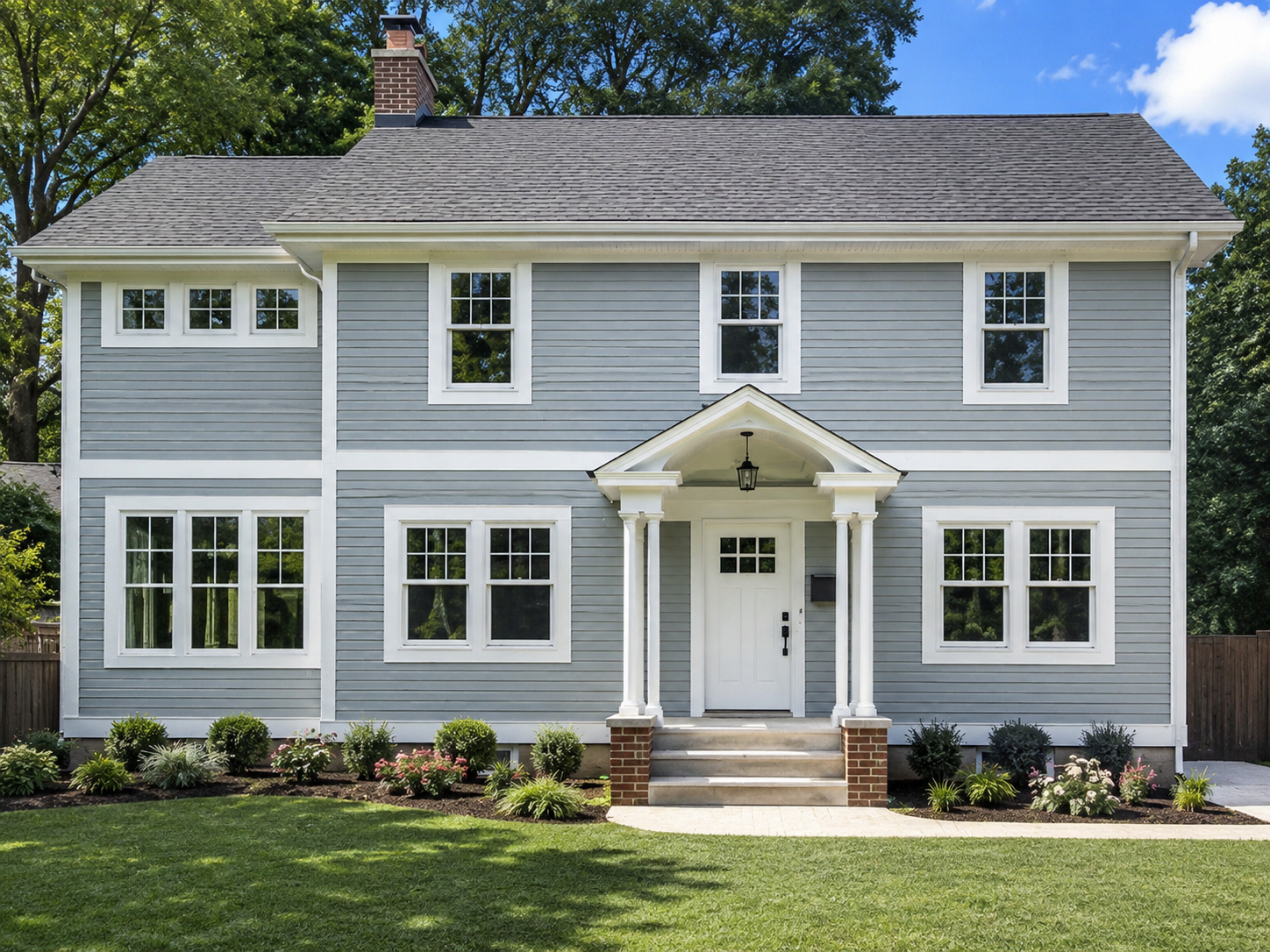
In the Triangle, installed James Hardie fiber cement generally runs $12 to $22 per square foot, which typically means $25,000 to $60,000 or more for a full home, with LP SmartSide and cedar priced by product and complexity. Vinyl runs $4 to $12 per square foot installed nationally, and the gap between those numbers is the gap between two different products. The exact figure comes from a fixed scope after inspection.
This guide from Forge Construction Group, which installs and replaces siding across the Triangle, breaks down what sets the price, what each material costs and buys, and how fiber cement actually compares to vinyl on a North Carolina home.
What Drives the Cost of Siding Replacement?
Five factors set the number before color and profile enter the conversation:
- Square footage and stories. Siding is priced substantially by wall area, and second stories, gables, and steep rooflines add access and labor.
- The material. Vinyl, engineered wood, fiber cement, and cedar occupy genuinely different tiers, in material cost, in labor, and in what they do for the home over decades.
- What is under the old siding. Replacement done right means tear-off, then inspecting and repairing the sheathing and moisture barrier before anything new goes on. Hidden moisture damage is the most common surprise, and the tear-off is what finds it.
- Trim, flashing, and detail work. Windows, corners, soffits, and fascia are where water gets in and where craft shows. Detail-heavy homes carry more of this work than plain boxes.
- Complexity of the profile. Board-and-batten, shingle accents, and mixed-material designs take more labor than straight lap runs.
What Does Siding Replacement Cost by Home Size?
Federal Reserve listing data puts the median North Carolina home at roughly 1,900 square feet, with Raleigh’s median nearly identical, so that is where real budgeting starts, and the Triangle’s established homes run from there up. Siding is priced by wall area, not floor area; for typical designs, siding coverage runs roughly 80 to 85 percent of the home’s square footage, shifting with stories, windows, and gables. Here is what that math looks like at Forge’s installed James Hardie range, with vinyl’s national range alongside for context:
| Home size | Siding area (approx.) | James Hardie installed ($12–$22/sq ft) | Vinyl, for context ($4–$12/sq ft) |
|---|---|---|---|
| 2,000 sq ft | ~1,700 sq ft | $20,400 – $37,400 | $6,800 – $20,400 |
| 2,500 sq ft | ~2,100 sq ft | $25,200 – $46,200 | $8,400 – $25,200 |
| 3,000 sq ft | ~2,500 sq ft | $30,000 – $55,000 | $10,000 – $30,000 |
| 3,500 sq ft | ~2,900 sq ft | $34,800 – $63,800 | $11,600 – $34,800 |
| 4,000+ sq ft | ~3,300+ sq ft | $39,600 – $72,600+ | $13,200 – $39,600+ |
That is why most full Hardie replacements on established Triangle homes land in the $25,000-to-$60,000-plus range: the median-and-up homes Forge sides simply carry that much wall. LP SmartSide typically prices between those two columns, and cedar shake is priced by product and complexity; both get exact numbers in a fixed scope after inspection, because trim detail, stories, and what is under the old siding move the figure more than any material chart does.
What each material buys:
Vinyl, at roughly $4 to $12 per square foot installed nationally, is the entry product: economical, low-maintenance, and legitimate for the right home. It is also thinner, less impact-resistant, and less convincing up close, which is why it rarely appears on the Triangle’s established streets.
LP SmartSide engineered wood sits in the premium tier below fiber cement: real wood grain and warmth, treated for moisture, decay, and termite resistance, and notably impact-resistant. A handsome, cost-effective premium option; see our LP SmartSide page for profiles.
James Hardie fiber cement, at $12 to $22 per square foot installed in the Triangle, is the premium standard: it will not rot, warp, or feed termites, resists fire, holds paint far longer than wood, and carries strong manufacturer warranties when installed to specification. Details on our James Hardie page.
Cedar shake is priced by product and complexity; it is the authentic-character choice for homes whose architecture calls for it, with the maintenance commitment real wood carries.
Is James Hardie Worth It Compared to Vinyl?
The honest comparison is not price per square foot; it is what each product does for a specific house. Vinyl costs less installed and needs little care, but it is a thin cladding: it can crack on impact, soften near heat, and read as vinyl from the curb. Fiber cement is a masonry-family product: dimensionally stable through North Carolina’s heat and humidity swings, immune to the rot and termites that end wood siding, fire-resistant, and able to hold crisp paint lines for years. On a starter home holding resale under a price ceiling, vinyl can be the rational call. On an established home worth protecting and elevating, fiber cement is the product built for the job, and the warranty only pays if the installation follows the manufacturer’s specification, which is where the installer matters as much as the board.
Why North Carolina Is Hard on Siding
The Triangle works siding from every direction: long humid summers that swell and rot wood, termite pressure that never really stops, thunderstorm wind and hail, and UV that fades cheap finishes fast. This is why the material conversation here is really a moisture-and-pest conversation. It is also why the tear-off inspection matters so much: siding failures hide behind siding, and the time to fix a compromised moisture barrier is while the walls are open, priced into a fixed scope rather than discovered after the new cladding is up.
How Forge Replaces Siding
Forge Construction Group is a licensed North Carolina siding contractor (License #102873) serving Raleigh, Cary, Durham, Chapel Hill, and Wake Forest. A replacement starts with an inspection and a detailed, fixed scope, then runs as one project: tear-off, sheathing and moisture-barrier inspection and repair, and installation with the flashing and detailing that keep water out for good. Most residential siding replacements take about one to two weeks on site, and every product, from Hardie fiber cement to SmartSide and cedar, is installed to the manufacturer’s specification so the warranty means what it says.
Frequently Asked Questions
When should siding be replaced instead of repaired? Widespread cracking, warping, or rot, paint that fails within a couple of years of repainting, rising moisture or pest signs inside, and seams that no longer sit tight all point to replacement. Isolated damage on otherwise sound siding is a repair conversation, and an inspection settles it.
Can new siding go over the old siding? Sometimes it can, but it usually should not. Covering old cladding traps whatever is failing underneath and skips the sheathing inspection that replacement exists to allow. Forge replaces siding with a full tear-off so the wall underneath is verified dry and sound.
Does new siding add value to a home? Yes; done right, new siding is one of the best-performing exterior upgrades a Triangle home can make. It transforms curb appeal, and it is also the home’s weather envelope, which buyers and inspectors both read closely.
Do you have to repaint James Hardie siding? Not for a long time. Hardie’s factory-baked ColorPlus finishes hold color for years, and fiber cement holds site-applied paint far longer than wood because the board does not swell and shrink underneath it. When repainting eventually comes, paint adheres to it exceptionally well.
What is the difference between James Hardie and LP SmartSide? Hardie is fiber cement: masonry-family durability, fire resistance, and the longest finish hold. SmartSide is treated engineered wood: deeper, warmer grain, lighter weight, and strong impact resistance, at a somewhat lower installed cost. Both are premium products; the choice usually comes down to look, budget, and the home’s architecture.
What happens if there is rot under the old siding? It gets found and fixed while the wall is open. Tear-off exposes the sheathing and moisture barrier, repairs are made before new siding goes on, and a fixed scope prices the likely repairs up front instead of surprising you mid-project.
What siding profiles are available? Lap siding, board-and-batten, and shingle looks, in both fiber cement and engineered wood, with factory-baked or site-applied finishes. The profile gets chosen to the home’s architecture, which is exactly the kind of decision the design consultation exists for.
Ready to price your exterior properly? Request a consultation and we’ll inspect, scope, and price the siding your home actually needs.