
Deciding when to start a renovation is not always obvious. Some issues, like a leaking roof, make the decision clear. Others, like an outdated layout or aging siding, develop slowly enough that homeowners often wait longer than they should before addressing them.
This guide covers the common signs that indicate a home may be ready for renovation, how to tell the difference between a repair and a full remodel, and how to prioritize projects when several areas of a home need attention at once.
Common Signs a Home May Need Renovation
Homes send signals long before a problem becomes an emergency. Recognizing these signs early often means the difference between a manageable repair and a costly, disruptive fix later on.
Structural and System Warning Signs
Cracks in walls or ceilings, doors and windows that no longer close properly, and uneven flooring can all point to settling or structural issues that a general contractor should evaluate.
Electrical systems that frequently trip breakers or plumbing that backs up repeatedly are also signs that underlying systems may be reaching the end of their useful life.
Exterior Warning Signs
Exterior issues are sometimes easy to overlook since they develop gradually. Curling or missing shingles, granules collecting in gutters, and visible sagging are signs that a residential roofing contractor should inspect the roof.
Similarly, siding that is cracked, warped, or shows signs of moisture damage often indicates it is time to consult a siding replacement contractor before the damage spreads to the structure underneath.
Interior and Layout Warning Signs
Not every renovation is prompted by damage. Sometimes a layout simply no longer works for how a household lives.
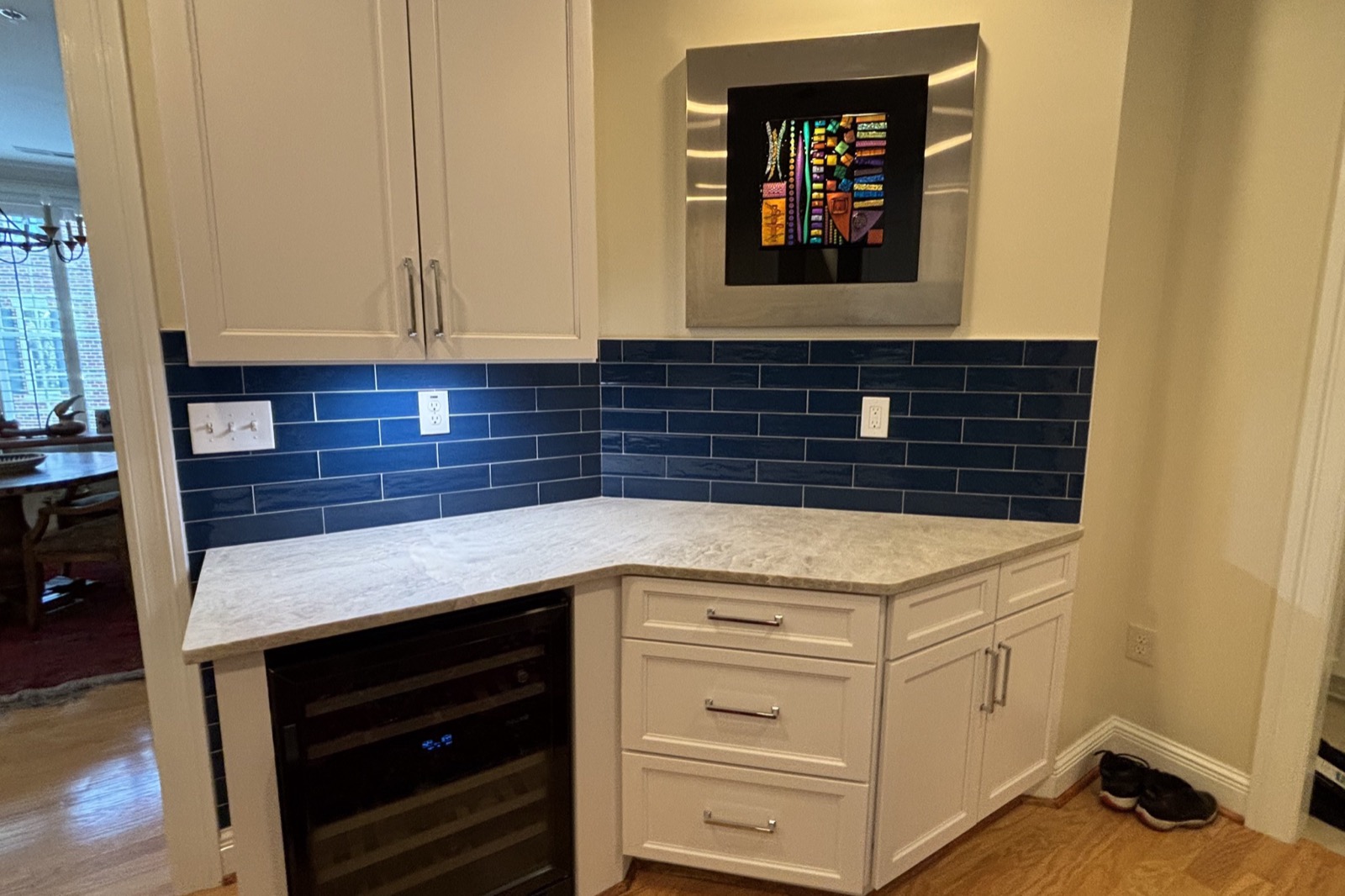
Kitchens that feel cramped, bathrooms with outdated fixtures, or a lack of storage are common reasons homeowners contact an interior home renovation specialist, even when nothing is technically broken.
Repair, Replace, or Remodel: How to Decide
One of the most common questions homeowners face is whether an issue calls for a repair, a replacement, or a larger remodel.
The table below outlines general guidance for making that distinction, though a professional assessment is always recommended for anything involving structural or safety concerns.
|
Situation |
Likely Approach | Why |
|---|---|---|
|
A few missing or damaged shingles |
Repair | Isolated damage can often be patched without full replacement |
|
Roof is beyond 20 years old with widespread wear |
Replacement | Age and condition make repair less cost effective long term |
|
Small crack in drywall |
Repair |
Cosmetic issue, typically not a structural concern |
| Multiple cracks paired with sticking doors | Remodel or structural evaluation |
May indicate a larger settling or foundation issue |
| Siding damaged in one small area | Repair |
Localized damage can often be addressed without full replacement |
| Siding showing widespread warping or moisture damage | Replacement |
Indicates the material has reached the end of its lifespan |
How to Prioritize Multiple Renovation Needs
It is common for homeowners to notice several issues at once, which can make it difficult to know where to start. A home renovation contractor typically recommends prioritizing based on safety, then structural integrity, then cosmetic or lifestyle updates.
Start With Safety and Structural Issues
Roofing, siding, and structural concerns should generally be addressed first, since delaying these issues can lead to water intrusion, mold, or further structural damage. A residential remodeling contractor can help assess whether an issue is urgent or can reasonably wait.
Address Systems Before Finishes
Electrical, plumbing, and HVAC systems should typically be addressed before cosmetic upgrades like flooring or cabinetry, especially if walls are already being opened for other work. Combining system updates with a broader renovation is often more cost effective than doing them separately later.
Save Layout and Lifestyle Updates for Last
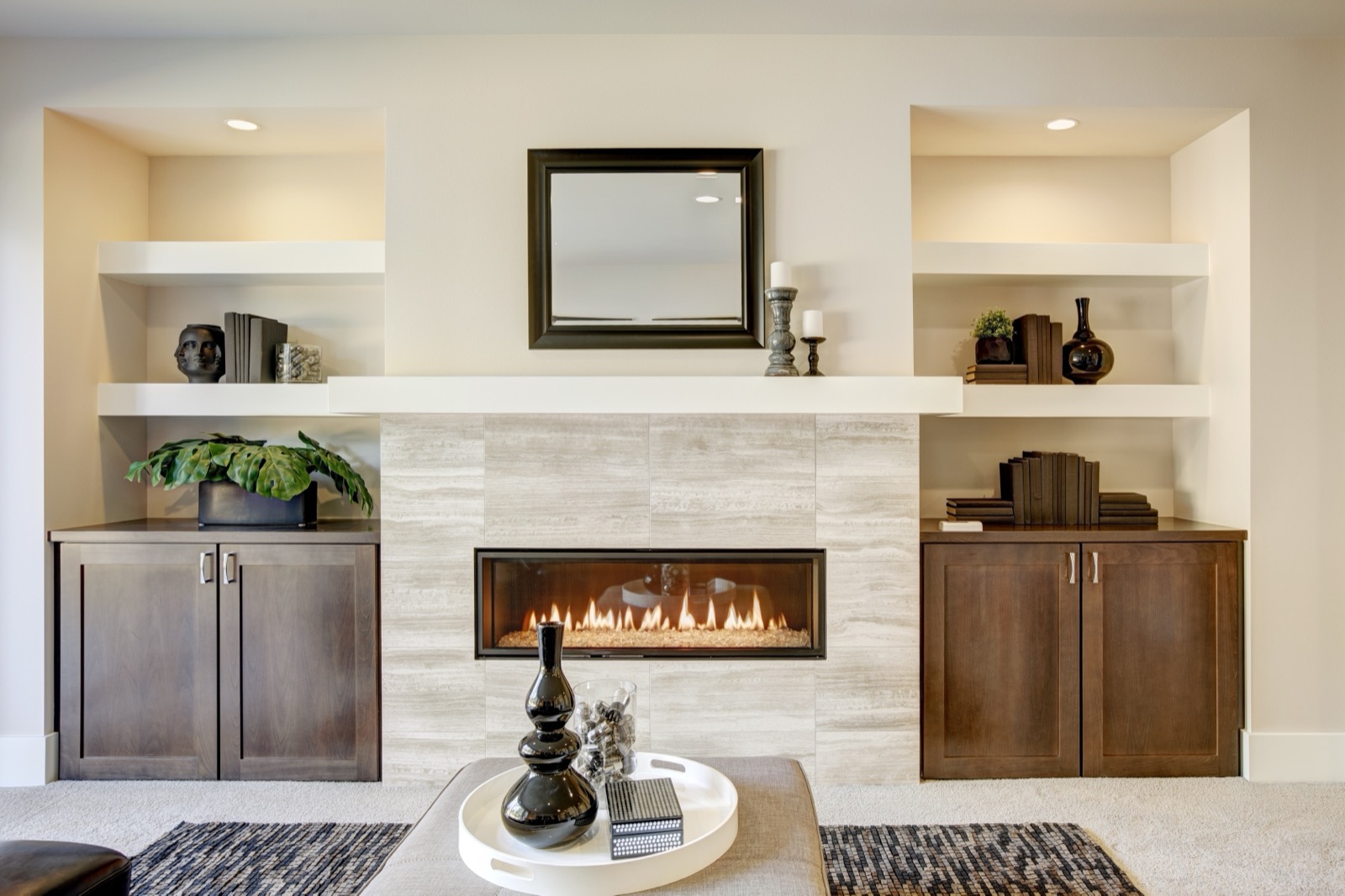
Once safety and system concerns are addressed, homeowners can focus on updates that improve day to day living, such as reconfiguring a kitchen layout or adding storage. These projects are important but generally carry less urgency than structural or safety related work.
When to Consider a Larger Renovation Instead of Isolated Repairs
Sometimes several smaller issues point toward a larger renovation being the more practical choice. This is especially true when multiple systems or areas of a home are reaching the end of their lifespan around the same time.
A home improvement contractor can help evaluate whether it makes more sense to address issues individually over time or combine them into a single whole house remodeling project.
Combining work often reduces overall disruption, since trades can coordinate schedules rather than returning to the home multiple times over several years.
Signs a Whole House Approach May Make Sense
- Multiple systems, such as roofing, siding, and interior finishes, are all showing age at the same time
- The household’s needs have changed significantly since the home was last updated
- Ongoing repairs are becoming more frequent and less cost effective
- A home addition is being considered alongside other planned updates
Planning for Exterior and Additional Space Needs
When renovation planning extends beyond repairs, many homeowners also consider whether their current home provides enough space. A home addition contractor can evaluate whether an addition or a reconfiguration of existing space better suits a household’s long-term needs.
Custom home additions are often considered alongside other exterior updates, such as new siding or roofing, to minimize the number of separate projects over time.
Outdoor living space is another area homeowners often reconsider during a larger renovation.
A screened in porch contractor can incorporate screened patio enclosures into a broader renovation plan, particularly when exterior work such as roofing or siding is already underway.
Working With Local Professionals to Assess Your Home
An in-person evaluation from a qualified professional is the most reliable way to determine whether an issue calls for repair or a larger renovation.
A durham remodeling contractor or durham general contractor familiar with the area’s housing stock and climate conditions can often identify issues that are common to homes of a certain age or construction type in the region.
For exterior concerns specifically, a durham roofing contractor or siding contractor durham nc can assess whether isolated repairs are sufficient or if full replacement is the more practical long-term choice.
Homeowners weighing a larger project, such as an addition, may also want to consult a home addition contractor durham nc early, since planning and permitting for additions typically takes longer than interior updates alone.
A durham construction company with experience across multiple project types can often help homeowners sequence several needs into a single coordinated plan.
Final Thoughts
Recognizing the signs that a home needs attention, and understanding how to prioritize competing needs, helps homeowners make more confident renovation decisions.
Whether the issue is a specific repair or a sign that a larger whole home renovation makes sense, addressing concerns in the right order helps protect both the home and the overall renovation budget.
Frequently Asked Questions
How often should a roof be inspected?
Most roofs benefit from an inspection at least once a year, and after any major storm, to catch minor issues before they lead to more significant damage.
Is it better to repair or replace aging siding?
This depends on the extent of the damage. Isolated issues can often be repaired, while widespread warping or moisture damage typically calls for replacement.
Should I renovate my whole house at once if I notice several issues?
Not necessarily, but if multiple systems are aging at the same time, combining work into one project can reduce long-term disruption and sometimes overall cost.
How do I know if my home needs more space instead of a remodel?
If layout changes alone will not solve the issue, such as needing an additional bedroom or living area, an addition may be a better long-term solution than reconfiguring existing space.
What is the first thing I should address if I notice multiple problems in my home?
Safety and structural concerns, including roofing, siding, and system issues, should generally be prioritized before cosmetic updates.
Can outdoor living spaces be added during a larger renovation?
Yes. Features like a screened in porch are often added alongside other exterior work, since contractors are already on site addressing roofing or siding.


