
Deciding to renovate an entire home is a significant step, and it often raises more questions than a single room update. How long will it take? What should be prioritized first?
How does a contractor structure the work so the home stays livable during construction? This guide breaks down what whole house remodeling actually involves, from early planning through final walkthrough, so homeowners can approach the process with realistic expectations.
What Counts as a Whole House Renovation?
A whole home renovation typically means updating most or all of a property’s major spaces, systems, or structural elements within a single coordinated project.
This is different from tackling rooms one at a time over several years. It often includes kitchens, bathrooms, living areas, flooring, and sometimes structural changes like removing walls or reconfiguring the floor plan.
Because so many systems are involved, a whole house remodeling project usually requires closer coordination between a home renovation contractor and various trades, including electrical, plumbing, framing, and finish work.
The scale of the project affects everything from permitting to how long the home may be partially or fully unlivable during construction.
Full Renovation vs Phased Renovation
Some homeowners choose to renovate everything at once, while others prefer a phased approach, completing one section of the home before moving to the next.
A phased renovation can spread out costs over time but often extends the overall project timeline. A residential renovation contractor can help determine which approach fits a household’s budget, schedule, and tolerance for ongoing construction.
How Long Does a Whole House Renovation Take
Timelines vary widely depending on square footage, the condition of the existing structure, and how much of the work involves structural changes versus cosmetic updates.
The table below offers general timeframes for different renovation scopes, though actual timelines depend on permitting, material availability, and project complexity.
|
Renovation Scope |
General Timeframe | Notes |
|---|---|---|
|
Cosmetic updates only |
4 to 8 weeks | Paint, flooring, fixtures, no structural work |
|
Kitchen and bathroom remodel |
2 to 4 months |
Includes plumbing and electrical updates |
| Whole house remodeling | 4 to 9 months |
Multiple rooms, systems, and possible structural work |
| Addition plus interior renovation | 6 to 12 months |
Involves permitting, foundation work, and inspections |
These figures are general guidelines. A house remodeling contractor should provide a project-specific timeline based on a walkthrough of the property.
Planning and Budgeting for a Whole Home Renovation
Before demolition begins, most successful renovations start with a clear plan covering scope, budget, and priorities. Homeowners working with a home improvement contractor typically go through several stages before construction starts.
Defining the Scope
The first step is identifying which parts of the home need attention and why. This might include outdated systems, structural concerns, or simply a layout that no longer fits how the household lives.
Being specific about goals early on helps a residential remodeling contractor create an accurate estimate.
Setting a Realistic Budget
Budgets should account for materials, labor, permits, and a contingency fund for unexpected issues, which are common once walls or flooring are opened up.
A contractor experienced in custom home remodeling can help homeowners understand where costs are fixed and where there is flexibility depending on material choices.
Prioritizing Structural and Exterior Needs
Structural issues, roofing, and siding problems should generally be addressed before cosmetic updates, since these affect the long-term integrity of the home.
A residential roofing contractor or siding replacement contractor can assess whether roof replacement services or exterior siding installation should happen before interior work begins.
Key Areas Often Included in a Whole House Renovation
While every project is different, several categories of work commonly appear in a whole house renovation.
Interior Living Spaces
Interior home renovation work often includes updated flooring, lighting, and layout changes to improve flow between rooms. This is frequently the most visible part of a renovation and where homeowners spend the most time deciding on finishes.
Roofing and Exterior Systems
A residential roofing contractor evaluates whether existing roofing can be repaired or needs a new roof installation. For homes with aging materials, a metal roof replacement is sometimes chosen for its durability.
Exterior work often continues with siding, since a siding replacement company can address moisture damage or outdated materials at the same time the roof is addressed, reducing the need for repeated exterior work later.
Additions and Extra Living Space
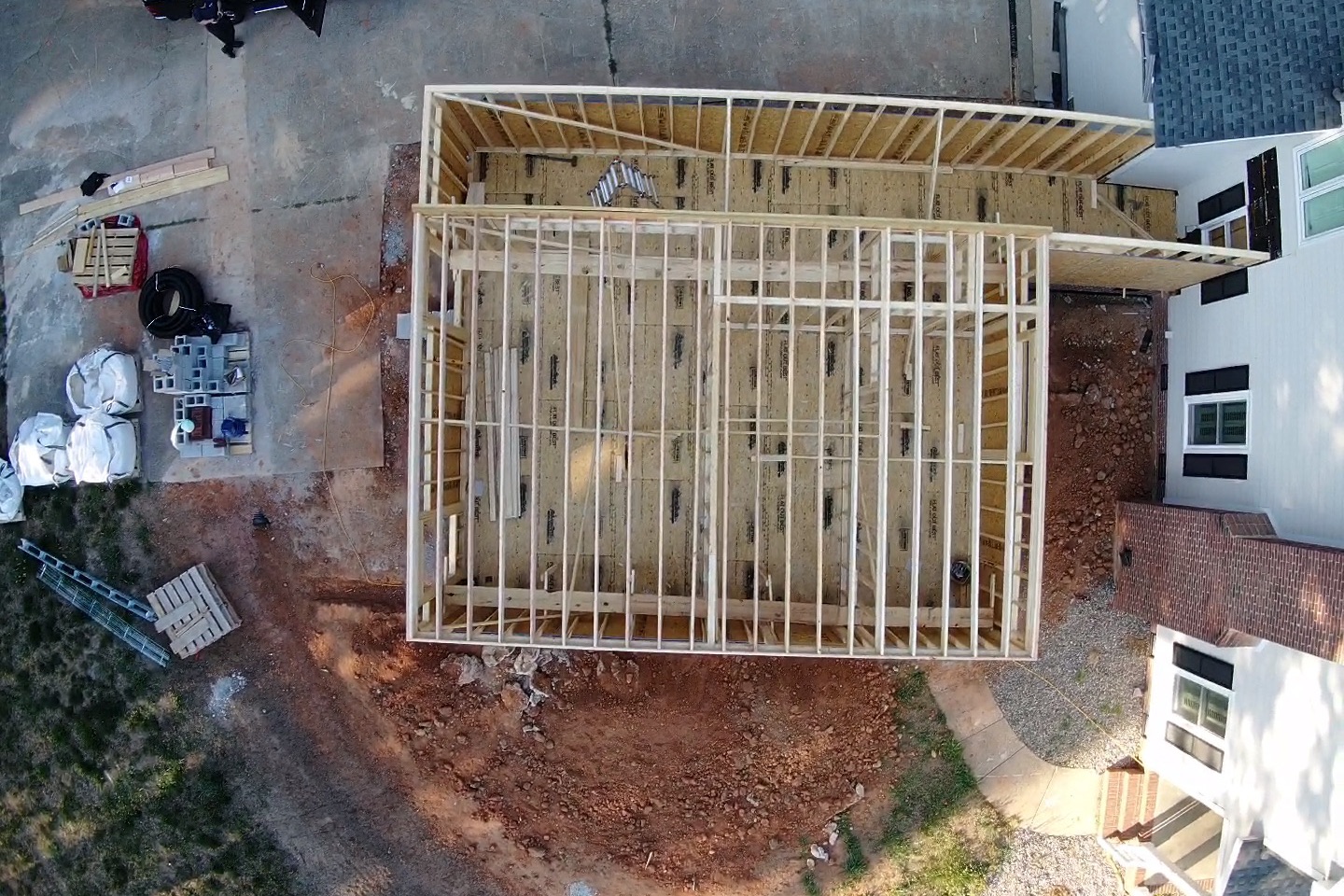
Some whole house projects include a home addition to accommodate a growing household or create additional functional space.
A home addition contractor manages the structural and permitting requirements that come with expanding a home’s footprint, while custom home additions are designed to match the existing architecture.
Outdoor Living Additions
Many whole house renovations also include outdoor upgrades such as a screened in porch. A screened porch contractor can incorporate screened patio enclosures into the renovation plan, extending usable living space without the scope of a full addition.

How to Choose the Right Contractor for a Large Renovation
Given the scale of a whole house renovation, selecting the right home remodeling contractor matters even more than it would for a smaller project.
The table below outlines factors worth comparing when evaluating house remodeling contractors for a large scope project.
|
Factor |
Why It Matters |
|---|---|
|
Project management experience |
Large renovations involve multiple trades working in sequence |
|
Clear payment schedule |
Protects both homeowner and contractor as work progresses |
| Subcontractor relationships |
Established trade partners often mean fewer scheduling delays |
| Communication frequency |
Regular updates help homeowners track progress and decisions |
| Change order process |
A clear system for handling scope changes avoids confusion |
Homeowners should ask potential contractors how they structure large projects, including how decisions are communicated and how delays are handled if they occur.
Local Considerations for Homeowners in the Durham Area
Working with a local durham general contractor or durham construction company can simplify a large renovation, since local contractors are typically familiar with regional permitting timelines and building department requirements.
Homeowners comparing remodeling contractors durham nc or a renovation contractor durham should ask how each company handles inspections and scheduling with local officials.
For homes needing exterior work alongside interior updates, a durham roofing contractor or siding contractor durham nc can coordinate timing so exterior projects do not conflict with interior construction.
Similarly, homeowners planning an expansion may want to research home additions durham nc or a home addition contractor durham nc early in the planning process, since additions often require longer permitting lead times than interior updates alone.
Final Thoughts
A whole house renovation is a large undertaking, but breaking the process into clear stages, defining scope early, and choosing a contractor with relevant experience can make the project far more manageable.
Understanding what to expect at each stage helps homeowners stay informed and involved throughout construction.
Frequently Asked Questions
Can I stay in my home during a whole house renovation?
In many cases, yes, particularly with phased renovations. Full renovations involving major structural work may require temporary relocation for part of the project.
What is usually the most expensive part of a whole house renovation?
Kitchens and bathrooms tend to carry the highest costs due to plumbing, electrical work, and finish materials, though structural changes can also significantly affect overall cost.
How do I know if my roof or siding needs to be replaced during a renovation?
A residential roofing contractor or siding replacement contractor can inspect these systems and determine whether repair or full replacement makes more sense before interior work begins.
Do whole house renovations always include additions?
No. Many whole house renovations focus entirely on existing space. Additions are only included when a homeowner needs more square footage.
How far in advance should I plan a large renovation?
Planning typically begins several months before construction, especially if permits, structural engineering, or custom design work are involved.
What should I look for in a contract before starting a large renovation?
A clear scope of work, itemized costs, payment schedule tied to project milestones, and a documented process for handling changes during construction.


