
Planning a renovation can feel overwhelming, especially when you are trying to figure out who to trust with your home. Whether you are updating a single room or planning a whole house remodeling project, the contractor you choose will shape the outcome of your investment.
This guide walks through what a home remodeling contractor actually does, how residential renovation projects typically unfold, and what to look for before you sign a contract.
What Does a Home Remodeling Contractor Do?
A home remodeling contractor manages the planning, scheduling, and execution of renovation work on a property. This can include structural changes, interior updates, exterior improvements, or a combination of all three.
A general contractor typically coordinates subcontractors such as electricians, plumbers, and roofers, while also handling permits, timelines, and material sourcing.
The scope of work a contractor takes on depends heavily on the type of project. Some homeowners need a home improvement contractor for smaller updates like flooring or cabinetry, while others require a full renovation contractor to oversee a whole home renovation involving multiple rooms, systems, and structural adjustments.
Whole House Remodeling vs Single Room Projects
Whole house remodeling involves updating multiple areas of a home at once, often including kitchens, bathrooms, living spaces, and sometimes structural layout changes. This type of project usually requires more coordination, a longer timeline, and closer communication between the homeowner and the contractor.
Single room projects, such as a kitchen or bathroom update, are more contained but still benefit from working with an experienced residential remodeling contractor who understands local building codes and can manage unexpected issues that arise once walls or flooring are opened up.
Signs You May Need a Home Renovation Contractor
Not every home update requires professional help, but there are situations where hiring a home renovation contractor makes the process safer, faster, and more likely to meet code requirements.
These include projects involving electrical or plumbing changes, structural modifications, roofing work, or additions to the home’s footprint.
The table below outlines common project types and whether they generally call for professional help or can reasonably be handled without a contractor.
|
Project Type |
Typically Requires a Contractor | Reason |
|---|---|---|
|
Painting a room |
No | Cosmetic work with low risk |
|
Replacing a roof |
Yes | Safety, code compliance, and warranty coverage |
|
Installing new siding |
Yes | Requires proper flashing and moisture barriers |
| Building a home addition | Yes |
Involves permits, structural work, and inspections |
| Adding a screened in porch | Yes |
Structural framing and roofing tie-in required |
| Updating cabinet hardware | No |
Simple, low-risk update |
| Replacing flooring | Sometimes |
Depends on subfloor condition and material type |
Common Types of Residential Remodeling Projects
Residential renovation projects vary widely depending on a homeowner’s goals, budget, and the condition of the existing structure. Below are some of the most common categories a residential remodeling contractor may handle.
Home Additions
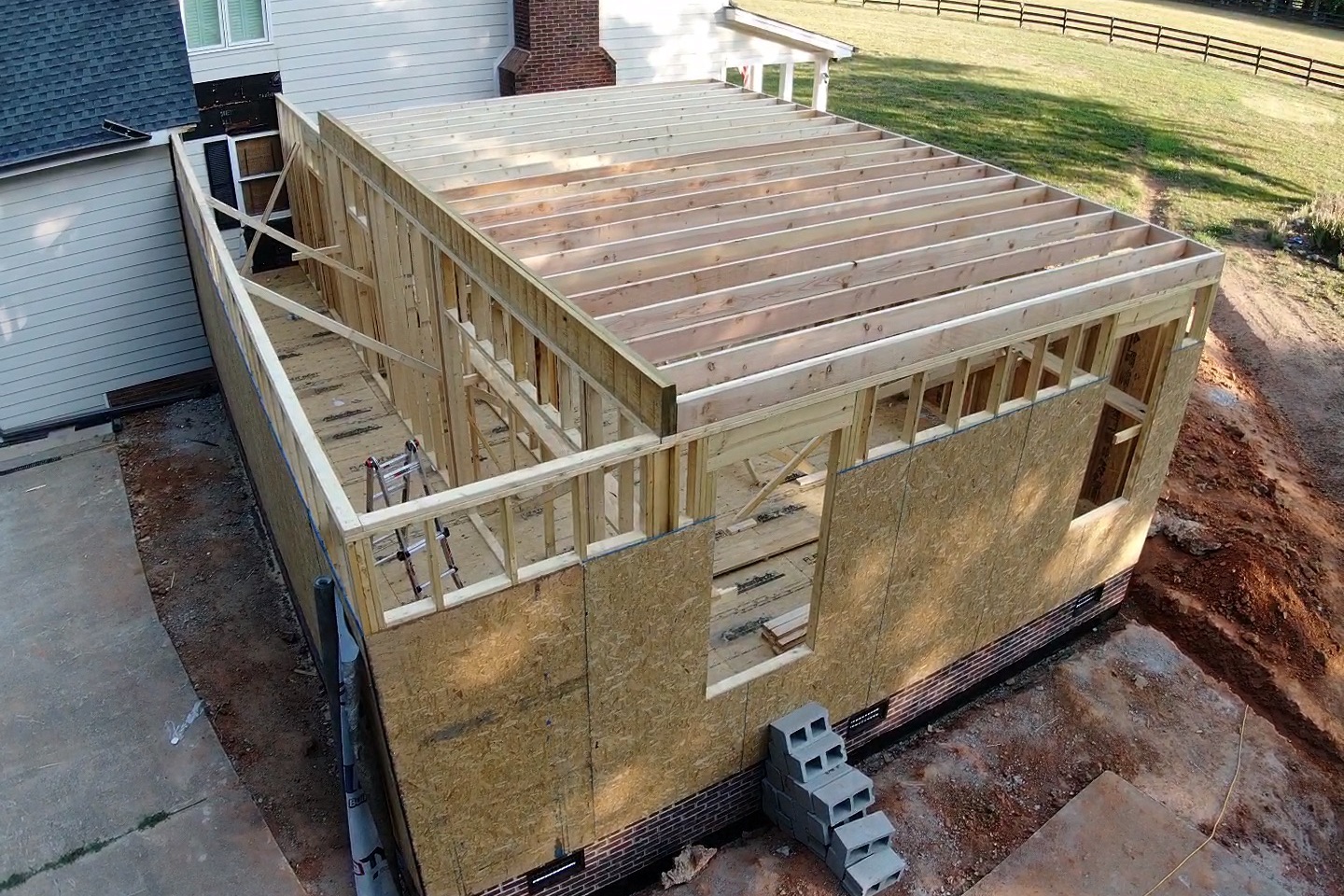
A home addition contractor helps homeowners expand their living space without relocating. This might include adding a bedroom, expanding a kitchen, or building a second story.
Custom home additions require careful planning around the existing structure, foundation type, and local zoning rules. Homeowners considering an addition often start by researching home addition services and comparing how different contractors approach layout planning and permitting.
Roofing Replacement and Repair
A residential roofing contractor evaluates the condition of an existing roof and determines whether repair or full replacement is the better option. Roof replacement services often include an inspection of the decking, ventilation, and flashing, not just the shingles or metal panels themselves.
Homeowners looking into a metal roof replacement or a new roof installation should ask about material warranties and expected lifespan before moving forward. Our guide to when to replace a roof in North Carolina covers the signs, lifespans, and timing in detail.
Siding Replacement
Siding protects a home from moisture, pests, and temperature changes. A siding replacement contractor typically inspects the sheathing underneath old siding before installation begins, since hidden damage is common in older homes.
Exterior siding installation is also an opportunity to improve insulation and update the home’s appearance at the same time.
Screened Porches and Outdoor Living Spaces
A screened in porch contractor designs and builds enclosed outdoor spaces that extend usable living area without the cost of a full addition.
Screened patio enclosures and covered porch structures require attention to drainage, roofline integration, and local building codes, which is why many homeowners work with a dedicated screened porch builder rather than attempting this as a standalone project.
How to Evaluate a House Remodeling Contractor
Choosing among house remodeling contractors can be difficult, especially in areas with many available options. A structured evaluation process helps homeowners compare contractors fairly and avoid common pitfalls.
|
Evaluation Factor |
What to Look For |
|---|---|
|
Licensing and insurance |
Valid state license and proof of liability coverage |
|
Experience with similar projects |
Portfolio of comparable work, not just general experience |
|
Written estimates |
Itemized costs rather than a single lump sum |
| Communication style |
Clear timelines and responsiveness during the bidding process |
| References |
Willingness to provide past client contacts |
| Permit handling |
Confirmation that the contractor pulls required permits |
| Warranty terms |
Written warranty on both labor and materials |
Homeowners should be cautious of any contractor who avoids written estimates, asks for full payment upfront, or cannot provide proof of licensing and insurance.
Questions to Ask Before Hiring a Contractor
Before signing an agreement with an interior home renovation or exterior remodeling contractor, it helps to ask a few direct questions:
- How long have you been working as a general contractor in this area
- Can you provide references from recent projects similar to mine
- Who will be on site during the project, and will subcontractors be used
- How do you handle unexpected issues found during demolition
- What does your written contract include regarding timelines and payment schedules
These questions apply whether the project is a small interior update or a larger custom home remodeling job involving multiple trades.
Working With a Local Contractor
Working with a local contractor, such as a general contractor durham nc homeowners already know and trust, often simplifies communication and follow up service.
A durham construction company that has completed projects across the area is generally familiar with regional permitting requirements, weather considerations, and material availability.
Homeowners searching for a durham remodeling contractor or remodeling contractors durham nc should compare a few local companies before deciding, paying attention to how clearly each one explains their process.
Our NC siding replacement cost guide shows what those exterior quotes should contain. The same applies when looking for a durham roofing contractor, a siding contractor durham nc, or a company offering home additions durham nc. Local experience often makes a measurable difference in how smoothly a project runs from planning through completion.
Final Thoughts on Choosing a Remodeling Contractor
Selecting the right home remodeling contractor comes down to research, clear communication, and realistic expectations.
Whether the project is a whole home renovation, a new roof installation, a home addition, or a screened in porch, taking time to evaluate experience, licensing, and communication style will help the project stay on track and within budget.
Frequently Asked Questions
Do I need a permit for a home renovation?
Many structural, electrical, and plumbing changes require permits. A licensed contractor should be able to confirm which permits apply to your specific project and handle the application process.
How much does a home addition typically cost?
Costs depend on size, materials, and structural complexity. Getting a written estimate from a home addition contractor is the most reliable way to understand pricing for your specific plans.
What is the difference between a general contractor and a specialty contractor?
A general contractor typically manages the entire project and coordinates multiple trades, while a specialty contractor, such as a roofing or siding contractor, focuses on one specific area of work.
How do I know if my roof needs repair or full replacement?
A residential roofing contractor can inspect the decking, flashing, and shingles or panels to determine whether isolated repairs are sufficient or if full replacement is more cost effective long term.
Can a screened porch be added to an existing patio?
In many cases, yes. A screened porch contractor can evaluate the existing structure to determine whether it can support an enclosure or if additional framing is needed first.
How do I compare quotes from different remodeling contractors?
Look beyond the total price. Compare itemized costs, materials specified, timeline estimates, and warranty terms to understand what each quote actually includes.


